3908 Broadway Ave, Fort Worth, TX Mon-Fri: 7:00 AM - 9:00 PM · Sat-Sun: 7:00 AM - 6:00 PM
6+ Years in Fort Worth · Licensed & Insured

Foundation Repair Company in Fort Worth, TX Built for North Texas Clay

Fort Worth homes sit on some of the most active clay in Texas. Every July the soil shrinks and pulls away from your slab. Then spring storms soak it and it swells back. That's why the crack over your bedroom door opens in August and nearly closes by April. And it's why so many homeowners can't tell whether they're looking at normal movement or a real problem. North Fort Worth Foundation Repair gives you the answer with data. We take floor elevation readings and photos, then explain in plain language what your foundation is actually doing and what, if anything, it needs.

We're based on the north side, and we know the difference between a 1920s pier-and-beam bungalow near the Stockyards and a five-year-old post-tensioned slab in Alliance. We stabilize slabs with steel and concrete piers, level pier-and-beam homes, repair foundation cracks, and install French drains. Our crews work in Haltom City, Saginaw, Watauga, Lake Worth, and Richland Hills every week. Every evaluation ends with written repair options and documentation you can share with buyers, inspectors, or your insurer.

  • Serving Fort Worth homeowners since 2020
  • Bonded and insured
  • Floor elevation readings and photos with every evaluation

Request Your Free Estimate

No obligation. Fast, honest quotes.

Your information is never shared.

Online Estimates
Onsite Service
Licensed & Insured
Customer Rated
Local Expertise

Why Fort Worth Homes Need Foundation Repair More Than Most

Foundation trouble in Fort Worth isn't bad luck. It comes from local soil, weather swings, and the way the city was built over a hundred years. Once you understand those three things, the cracks in your drywall start to make sense, and so does the right repair.

Expansive Clay and a Drought-and-Deluge Climate

Most of Tarrant County sits on high-plasticity clays from the Houston Black, Ferris, Heiden, and Eddy series, and their plasticity indices often run above 30 to 40. In plain terms, this soil swells a lot when it's wet and shrinks a lot when it's dry. Fort Worth gets about 37 inches of rain a year, but most of it lands in spring and fall storms. July and August bring mid-to-upper 90s and long runs of 100°F+ days. The 2011 and 2022 droughts and the 2023 heat dried the clay deeply. The 2015 floods after years of drought made it swell unevenly, and slabs heaved. Slab edges and corners take the most stress because perimeter moisture swings the hardest. Live oaks, pecans, cedar elms, and hackberries pull even more water out of the soil. Winter Storm Uri in 2021 added another problem when burst pipes soaked the soil under thousands of slabs.

A Century of Construction Styles, Each With Its Own Weak Spots

Fort Worth's housing spans every era. Bungalows and Tudors from the 1900s to 1940s in Fairmount, Ryan Place, Arlington Heights, and Berkeley Place sit on pier-and-beam foundations, often wood posts or concrete blocks on shallow pads. After WWII, tract homes went up in Haltom City, Richland Hills, White Settlement, and Forest Hill. Many have early slabs with very little steel. The 1960s–80s ranch homes in Hurst, Bedford, North Richland Hills, and Watauga use conventionally reinforced slabs under brick veneer that shows every bit of movement. Since the 1990s, post-tensioned slabs have taken over in Keller, Saginaw, Crowley, and the Alliance/Heritage/Presidio corridor. Some of those homes were built on poorly compacted fill and graded with little thought for drainage. Older homes also tend to have cast-iron drain lines under the slab, and when those leak, settlement gets worse.

Permits, Engineers, Historic Districts, and HOAs

The City of Fort Worth generally requires a building permit for foundation repair. For structural work, it typically expects engineered plans or a letter from a Texas-licensed professional engineer. Arlington, North Richland Hills, Keller, Hurst, Bedford, and Benbrook each run their own permitting and inspections, and their rules differ. Texas has no statewide foundation contractor license, so the paperwork is what protects you. In historic districts like Fairmount/Southside, Ryan Place, Mistletoe Heights, Park Hill, and the Stockyards, visible changes to skirting, perimeter beams, or brick may need a Certificate of Appropriateness. Newer subdivisions often have HOA rules on equipment access, work hours, and landscaping restoration. Texas811 must be called before any digging. Because the Texas Seller's Disclosure Notice asks about prior foundation repairs, clear documentation also matters when you sell.

A Fast-Growing, Fast-Moving Market

Fort Worth's population is close to or above 950,000, and Tarrant County has more than 2 million residents. Homes sell quickly, and buyers' inspectors regularly flag stair-step brick cracks, out-of-level floors, and sticking doors. Sellers often have only a few days to respond. First-time buyers and transplants in Saginaw and north Fort Worth are often surprised to find cracks in homes only a few years old. Military and defense-industry families near NAS JRB and Lockheed Martin move often and need repairs documented for the next buyer. Budgets vary widely, too. A retiree in Bedford and a young family in Lake Worth need equally honest assessments, and in many cases financing is what makes the repair possible.

Know The Signs

Common Foundation Problems We See Across Fort Worth

Most of the calls we get come down to a handful of problems. Some need attention right away. Others just need to be watched. Here's what each one looks like, why it shows up so often in Fort Worth, and how it's usually fixed.

Perimeter Slab Settlement

Serious

This is when the edges or corners of a slab sink as the clay underneath shrinks and loses support. It's the most common foundation repair in Tarrant County, and if nobody addresses it, it usually gets worse with each dry summer.

Why it happens here

Perimeter soil dries out much faster than soil under the center of the slab, especially during long stretches of 100°F days like the summers of 2011, 2022, and 2023. In Haltom City, Richland Hills, and the 1960s–80s neighborhoods of Watauga and North Richland Hills, many slabs carry only light reinforcement. When the edges lose support, they bend. Mature live oaks and pecans planted near the house decades ago make the drying worse, so settlement tends to be concentrated on the side of the home closest to the trees.

Signs to watch for
  • Stair-step cracks in brick veneer, especially at corners
  • Diagonal drywall cracks running from door and window corners
  • Doors that stick or won't latch in late summer
  • Gaps between baseboards and the floor
  • Frieze boards separating from the brick
  • Exterior gaps around window frames
Local patterns

We see this most often in mid-century ranch homes in Haltom City, Richland Hills, and Watauga, and on the tree-shaded lots in Wedgwood and Ridglea. Symptoms usually peak from August to October, then partly close up after fall rains.

Our fix

Steel or pressed concrete piers under the settled section, lifting the slab back toward level based on elevation readings, and then a drainage and watering plan to keep perimeter moisture steady.

Slab Heave Mistaken for Settlement

Serious

Heave is upward movement. Clay under part of the slab swells, often in the middle, and pushes the floor up. It's misdiagnosed all the time, and putting piers under a home that's actually heaving can make the problem worse.

Why it happens here

Fort Worth's high-plasticity clays can swell dramatically when water reaches them. That water usually comes from a leaking sewer or supply line, a downpour after drought, or a soggy flowerbed. Winter Storm Uri's burst pipes in 2021 soaked the soil under many slabs at once. Older homes with cast-iron drain lines are especially prone to slow leaks that feed heave for months without anyone noticing. Elevation surveys and plumbing leak testing are the only reliable way to tell heave from settlement.

Signs to watch for
  • A raised or humped area in the middle of the floor
  • Cracks in tile or flooring near interior walls
  • Interior doors that suddenly start rubbing at the top
  • Problems that showed up after heavy rain or a plumbing leak
  • Unusually high water bills
  • Damp or musty smells near baseboards
Local patterns

We see this in older Riverside, Fairmount, and Stockyards-area homes with original cast-iron plumbing, and in newer north Fort Worth homes where irrigation or downspouts dump water right at the slab.

Our fix

Find and repair the water source first. Then let the soil stabilize, correct the drainage, and level selectively only where readings show it's needed. Piers alone won't fix heave.

Sagging Pier-and-Beam Floors

Moderate

Floors that bounce, slope, or sag because interior piers have settled, shims have crushed, or beams and joists have rotted. It's the classic problem in Fort Worth's pre-1950 houses.

Why it happens here

Many 1920s homes in Ryan Place, Arlington Heights, Fairmount, and Berkeley Place still rest on their original wood posts or concrete blocks sitting on shallow pads. Over the decades, clay movement shifts those pads, and crawlspace moisture rots the sills and joists. Many of these homes have also been patched over the years with non-engineered shimming, and stacked wood shims compress unevenly. The result is a floor that keeps settling no matter how many times somebody shims it.

Signs to watch for
  • Soft, bouncy, or sloping floors
  • A ball that rolls toward the middle of a room
  • Interior doors that swing open or closed on their own
  • Cracks in plaster walls and ceilings
  • Gaps at the top of interior door frames
  • Visible rot or moisture in the crawlspace
Local patterns

This is concentrated in historic districts like Fairmount/Southside, Ryan Place, Mistletoe Heights, and Arlington Heights, and in older Northside homes near the Stockyards. Exterior changes in those districts may need historic review.

Our fix

Replace failed supports with new concrete piers and steel shims, sister or replace rotted joists, re-level the house, and address crawlspace moisture without disturbing original finishes.

Plumbing Leak Under the Slab

Emergency

A leak in a supply or drain line buried beneath the slab. It saturates the soil, which can cause heave, washout, or settlement, and it's usually hidden until the floor or the water bill gives it away.

Why it happens here

Many older Fort Worth homes still have cast-iron drain lines that corrode and crack, and expansive clay movement puts extra stress on buried pipes. Winter Storm Uri in February 2021 caused widespread pipe bursts across Tarrant County, and some of that damage is still showing up under slabs. Because clay holds water so well, a small leak can feed foundation movement for a long time before anyone notices.

Signs to watch for
  • A water bill that keeps climbing
  • Warm spots on the floor from hot-water lines
  • Sound of running water when all fixtures are off
  • Damp carpet or lifting flooring
  • Mildew smell near interior walls
  • New cracks appearing quickly
Local patterns

We find these most in pre-1980 homes in Haltom City, Riverside, Forest Hill, and the Northside, where original cast-iron drain lines are near the end of their service life.

Our fix

Stop the water, confirm the leak with testing, repair the line, and then re-measure elevations after the soil settles to decide what foundation work is actually needed.

Drainage-Driven Movement on Newer Lots

Moderate

This is foundation movement caused by water that pools against the slab or drains away unevenly. Poor grading, short downspouts, and inconsistent watering create wet and dry zones around the house.

Why it happens here

Rapid growth in Saginaw, Keller, Crowley, and the Alliance corridor put homes on lots graded with little attention to drainage, sometimes over poorly compacted fill. Post-tensioned slabs are stiff, but they still tilt when one side sits in soggy clay and the other bakes in the sun. Many owners are new to North Texas and have never been told that foundations here need steady watering during droughts.

Signs to watch for
  • Water standing near the slab after storms
  • Downspouts emptying right at the foundation
  • Soil pulling away from the slab edge in summer
  • Cracks in a house only a few years old
  • Mulch beds sloping toward the house
  • Hairline cracks in the garage slab
Local patterns

This shows up constantly in Alliance/Heritage, Presidio, Saginaw, and Crowley subdivisions. HOA rules may affect regrading and landscaping restoration, so we plan around them.

Our fix

French drains, downspout extensions, regrading, and a drought watering plan. Where elevation readings show real deflection, we add targeted piers.

Foundation and Concrete Cracks

Minor

These are cracks in slabs, stem walls, block foundations, garage floors, and driveways. Many are cosmetic shrinkage cracks, but some are signs of structural movement or let moisture into the foundation.

Why it happens here

Fort Worth concrete goes through intense heat cycles and constant clay movement. Shrinkage cracks show up in almost every slab, and seasonal swelling and shrinking can widen them over time. The tricky part is that cracks here open in late summer and close in spring, so it's hard to know whether one is getting worse without measuring it. Gaps in perimeter beams and stem walls also let water reach the soil right where it does the most harm.

Signs to watch for
  • Hairline cracks in exposed slab or garage floor
  • Cracks wider than about 1/8 inch
  • One side of a crack higher than the other
  • Cracks in stem walls or block foundations
  • Driveway sections tilting or separating
  • Efflorescence or moisture along cracks
Local patterns

Garage and driveway cracks are everywhere in North Richland Hills and Watauga. Stem wall and block cracking shows up often in older White Settlement and Everman homes.

Our fix

We seal, inject, or patch cracks that aren't moving and monitor them seasonally. Cracks that show displacement are evaluated against elevation readings for structural repair.

Tree Root Moisture Loss

Moderate

This is foundation movement caused by large trees drawing moisture out of the clay near the slab. It creates a localized drying zone that pulls one part of the house down.

Why it happens here

Fort Worth's older neighborhoods are known for their mature canopies. Live oaks, pecans, cedar elms, and hackberries can spread roots well past the drip line, and during drought they pull water from the soil under the foundation. Homeowners in Tanglewood, Westcliff, Monticello, and Bluebonnet Hills understandably don't want to lose a 60-year-old tree, so the fix has to protect both the tree and the house.

Signs to watch for
  • Cracking concentrated on the side nearest a large tree
  • Roots visible near the slab or the beam
  • Wider soil gaps beside the tree in summer
  • Settlement that gets worse in drought years
  • Sticking windows on one side only
Local patterns

This is common in Tanglewood, Westcliff, Monticello, TCU/Bluebonnet Hills, and Arlington Heights, where large trees sit close to brick homes from the mid-20th century.

Our fix

Root barriers, targeted piers along the affected side, and a deep-watering plan, so you can usually keep the tree and still stabilize the foundation.

What We Do

Foundation Repair Services for Every Fort Worth Home

We handle the full range of foundation and concrete work, from slab piering and pier-and-beam leveling to drains, crack sealing, and new foundations. Every recommendation starts from your elevation readings, not a sales sheet. Our services are grouped below by the problem they solve.

Specialty

Slab Foundation Repair & Foundation Raising (House, Slab & Concrete Foundation Repair)

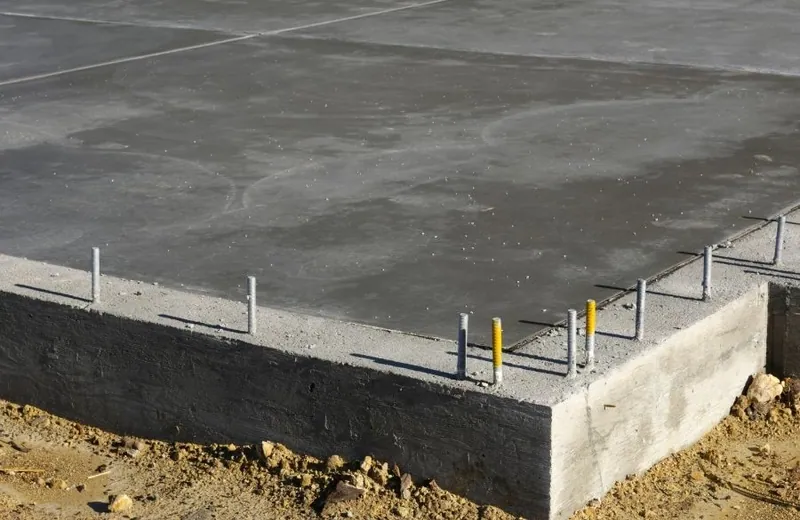
We stabilize and lift settled slab foundations with steel or pressed concrete piers driven under the perimeter grade beam and, when needed, interior beams. Then we raise the slab back toward level based on measured elevations.

Our approach

First comes a full elevation survey and photos. Then we place piers at the points the readings call for, install them to refusal or to depth, and lift with hydraulic jacks while monitoring readings. Last, we backfill and re-measure.

In Fort Worth, TX

Pier depth depends on the soil. Under parts of west and southwest Fort Worth, shallow limestone stops pressed piers quickly. On the Northside and in the mid-cities, active clay can run 10 to 15 feet or deeper. We choose the pier type based on what's under your lot.

Best for

Brick homes showing stair-step cracks, sticking doors, and sloping floors from perimeter settlement, especially 1950s–80s slabs in Haltom City, Richland Hills, and North Richland Hills.

Specialty

Pier and Beam Foundation Repair & Crawl Space Repair

We level sagging pier-and-beam homes by replacing failed posts, blocks, and crushed wood shims with new concrete piers and steel shims. We also repair rotted sills and joists and fix crawlspace moisture.

Our approach

We map floor elevations room by room, inspect every support, then reset or add piers, sister damaged framing, and shim to level. Where moisture is driving the rot, we add ventilation and moisture control.

In Fort Worth, TX

These repairs are built for Fort Worth's 1920s homes in Fairmount, Ryan Place, Arlington Heights, and near the Stockyards. We work from the crawlspace to preserve original floors and finishes, and we flag any exterior changes that could need historic review.

Best for

Older homes with bouncy or sloping floors, plaster cracks, layers of old shimming, or a damp crawlspace.

Concrete Pier Foundation Repair & Concrete Foundation Leveling

We install pressed concrete piers and level slab and pier-and-beam foundations. We also repair or replace existing concrete piers that have tipped, cracked, or settled.

Our approach

We drive segmented concrete cylinders hydraulically to refusal, cap them, and shim to level. Failing piers from earlier repairs are evaluated and replaced or supplemented as needed.

In Fort Worth, TX

Pressed concrete piers work well where limestone or dense soil is reasonably shallow, which is common in parts of west Fort Worth, Benbrook, and White Settlement.

Best for

Homeowners who want a proven, budget-conscious stabilization method where soil conditions support it.

Foundation Drainage (French Drains & Grading)

We install French drains, downspout extensions, and corrective grading so water moves away from your foundation instead of soaking the clay at one edge.

Our approach

We trace where water collects during rain and then design perforated-pipe French drains in gravel trenches with discharge to daylight or the street. After that we adjust grading and route downspouts away from the slab.

In Fort Worth, TX

This is essential on newer lots in Saginaw, Keller, Crowley, and Alliance/Heritage that were graded with little attention to drainage. We work within HOA landscaping and access rules, and we always call Texas811 before we dig.

Best for

Homes with ponding, downspouts emptying at the slab, or movement that tracks with heavy rain.

Foundation Inspection

We evaluate your foundation with floor elevation readings and photos, then explain clearly what's happening and what your options are.

Our approach

We take a relative elevation survey, document cracks, doors, and brick, and check the exterior for drainage, trees, and signs of leaks. You get written repair options with documentation you can share.

In Fort Worth, TX

These evaluations are useful for Fort Worth resale deadlines, for homes with past repairs whose old warranties may be in question, and for owners trying to tell seasonal clay movement apart from a real structural problem.

Best for

Buyers, sellers, and anyone who's noticed new cracks and wants an honest answer first.

Foundation Crack Repair, Foundation Patching & Concrete Foundation Sealing

We seal, inject, and patch cracks in slabs and foundation walls, and we apply sealing to exposed concrete to keep water out of the soil below.

Our approach

We clean and rout the crack, then use epoxy or polyurethane injection or patching mortar depending on whether the crack is structural or moisture-related. Then we apply a surface sealer.

In Fort Worth, TX

Fort Worth cracks change with the seasons, so we measure first. Sealing a crack that's still moving is wasted money.

Best for

Stable hairline and moderate cracks, and owners who want to stop water from reaching perimeter clay.

Concrete Slab Repair, Slab Leveling & Concrete Floor Crack Repair

We repair damaged slab surfaces, level sunken slab sections, and fix cracks in interior and exposed concrete floors.

Our approach

Depending on cause and size, we use crack injection, partial slab replacement, or leveling support beneath the slab.

In Fort Worth, TX

This work is common where clay movement or old under-slab leaks have left uneven floors in Riverside, Haltom City, and Forest Hill homes.

Best for

Uneven or cracked concrete floors where the main foundation is otherwise sound.

Concrete Slab Leak Repair

We address foundation damage tied to leaking lines under the slab, coordinating the leak repair with any slab restoration and leveling that follows.

Our approach

Once the leak is confirmed, we gain access through the slab or by tunneling, then patch and restore the concrete. We re-measure elevations after the soil stabilizes.

In Fort Worth, TX

This is critical in older homes with cast-iron drain lines and in houses that suffered pipe damage during Winter Storm Uri in 2021.

Best for

Homes with heave, high water bills, or damp flooring that points to a leak under the slab.

Garage & Driveway Foundation Repair

We repair cracked, sunken, and separating garage slabs and driveways, which are often the first concrete to show clay movement.

Our approach

We seal cracks, level or replace settled sections, and correct the drainage that's undermining the concrete.

In Fort Worth, TX

Garage and driveway movement is common in the 1970s–80s neighborhoods of North Richland Hills, Watauga, and Hurst.

Best for

Trip hazards, tilted driveway panels, and garage floors pulling away from the house.

Foundation Wall, Stem Wall & Concrete Block Foundation Repair

We repair cracked or bowing foundation walls, stem walls on pier-and-beam homes, and concrete block foundations.

Our approach

We rebuild or patch masonry, inject cracks, and add support or piers beneath walls that have settled.

In Fort Worth, TX

Stem wall and block problems are common in post-war homes in White Settlement, Everman, and Forest Hill, and in historic perimeter beams.

Best for

Older homes with cracked perimeter walls, loose block, or visible stem wall separation.

Concrete Wall Crack Repair, Poured Concrete Foundation Repair & Concrete Foundation Reinforcement

We repair cracks in poured concrete walls and foundations and add reinforcement where the original concrete lacks the strength to handle clay movement.

Our approach

We use injection, patching, and supplemental reinforcement designed around what the evaluation finds.

In Fort Worth, TX

This matters for post-WWII slabs and walls built before modern standards, often with very little steel.

Best for

Under-reinforced older foundations with recurring cracks.

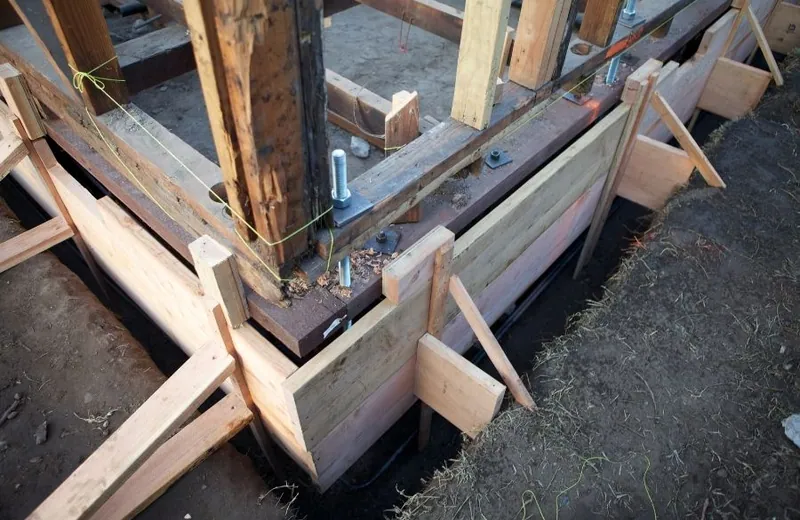
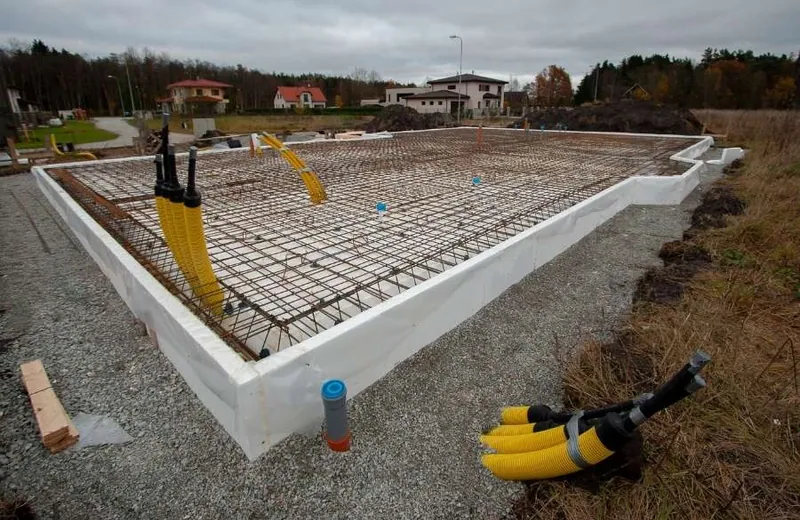
Foundation Installation, Foundations & Crawl Space Foundation Construction

We build new foundations, including slabs and crawl space foundations, for additions, rebuilds, and structures that need a full replacement.

Our approach

We work from approved plans, coordinate permits, excavate after Texas811 locates, form, reinforce, and pour.

In Fort Worth, TX

New work has to account for local expansive clay and shallow rock. Fort Worth and suburban permits and inspections apply.

Best for

Additions, accessory structures, and pier-and-beam homes needing a new crawl space foundation.

Commercial Foundation Repair

We evaluate and repair foundations and slabs on small commercial buildings affected by the same clay movement as nearby homes.

Our approach

We take elevation readings, document conditions, and give written options, with work scheduled around your business hours where possible.

In Fort Worth, TX

We serve storefronts and small commercial properties across Haltom City, Saginaw, and the Northside.

Best for

Small commercial owners seeing cracked slabs, sticking doors, or uneven floors.
Simple & Transparent

How Our Foundation Repair Process Works

No pressure and no mystery. Here's exactly what happens from your first call until the job is finished and the paperwork is in your hands.

Call or Request an Evaluation

  • We ask what you've noticed and when it started
  • We ask whether there's a closing deadline or an inspection report
  • We set a time to visit your home

Late summer is our busiest season because clay shrinkage makes cracks easy to see. If you're under a resale deadline, tell us when you call.

Same day to a few days, depending on the season

On-Site Evaluation With Elevation Readings

  • We take floor elevation readings throughout the home
  • We photograph cracks, doors, brick, and the crawlspace if there is one
  • We check drainage, grading, trees, and signs of plumbing leaks
  • We separate heave from settlement before recommending anything

Pier-and-beam homes in Fairmount or Ryan Place get a full crawlspace inspection. On newer north Fort Worth lots, we pay close attention to grading and downspouts.

Usually 1–2 hours on site

Plain-Language Explanation & Written Options

  • We walk you through what the readings show
  • We give you written repair options, from monitoring to full stabilization
  • We explain whether a permit or engineer's letter is likely needed
  • We go over financing if you'd like it

Fort Worth typically expects a permit and a Texas-licensed PE's plans or letter for structural repairs, and suburbs set their own rules.

Typically within a few days of the evaluation

Permits, Utility Locates & Repair Work

  • We call Texas811 before any excavation
  • We handle permits for your city
  • We install piers, level, or build drains per the plan
  • We monitor elevations during the lift

In historic districts, exterior changes may need a Certificate of Appropriateness. HOAs in Keller, Saginaw, and Crowley may limit work hours and access.

Most residential repairs take 1–3 days of work once scheduled

Final Readings, Cleanup & Documentation

  • We take post-repair elevation readings
  • We backfill and clean up
  • We hand over photos and records of the work
  • We give you watering and drainage tips for keeping your foundation stable

Keep this documentation. You'll want it for the Texas Seller's Disclosure Notice and for future buyers or insurers.

At completion
The North Fort Worth Foundation Repair Difference

Why Fort Worth Homeowners Choose North Fort Worth Foundation Repair

We Know North Side Clay and North Side Homes

We focus on the north side of Fort Worth and the cities around it. That means we work on century-old pier-and-beam houses near the Stockyards and new post-tensioned slabs in Alliance in the same week. We know how the clay behaves in late summer and after a spring deluge, where pressed piers hit rock fast, and where active clay runs deep. That local knowledge shapes every recommendation we make, from the type of pier to whether you need piers at all.

Measurements First, Opinions Second

Every evaluation includes floor elevation readings and photos. Fort Worth foundations rise and fall with the seasons, so judging a crack by eye can lead to the wrong conclusion and an expensive mistake. Heave in particular gets misdiagnosed as settlement all the time. Our readings show where your home is actually moving, and our photos document what we found. You'll see the same data we're using to make recommendations.

Plain-Language Answers and Written Options

Foundation bids in DFW can be confusing. You'll see different pier types, wildly different prices, and sometimes a lot of pressure. We do it differently. We explain what's happening in plain English and give you written repair options so you can compare them calmly. Sometimes the right answer is drainage and a watering plan instead of piers. If that's the case, we'll say so.

Bonded and Insured

Texas doesn't have a statewide license for foundation repair contractors, so it's up to homeowners to check who they're hiring. North Fort Worth Foundation Repair is bonded and insured, which protects you and your property while we work. We'll also tell you up front when your city is likely to want a permit or an engineer's involvement, so there are no surprises when the work starts.

Documentation Built for Resale and Insurance

In Fort Worth's fast-moving housing market, foundation history can make or break a sale. The Texas Seller's Disclosure Notice asks about past repairs, and buyers' inspectors look closely. We give you photos, readings, and written records you can share with buyers, agents, inspectors, or your insurer. That's especially useful for military and defense-industry families near NAS JRB who relocate often.

Financing That Fits Fort Worth Budgets

A foundation problem doesn't wait for a convenient time. Financing is available, so homeowners in Haltom City, Lake Worth, Forest Hill, and across our service area can fix the problem now instead of watching it grow through another dry summer. We'll go over options when we hand you your written estimate.

Right-Sized Repairs for Every Home Type

Not every repair calls for the same method. Historic bungalows need crawlspace work that leaves original finishes alone. Mid-century slabs often need piers. New-construction homes often need drainage fixes first. We do slab piering, pier-and-beam leveling, crack repair, French drains, and new foundation work, so we recommend what your house needs instead of pushing whatever we happen to sell.

Trusted Locally

Bonded, Insured, and Focused on North Fort Worth

2020
Serving Fort Worth Since
20-Mile
Service Radius
18
Communities Served
Bonded & Insured
Protection on Every Job
BondedInsuredFinancing Available
Where We Work

Foundation Repair Service Areas Around Fort Worth

We're based on Fort Worth's north side and serve homes within a 20-mile radius. That includes historic Fort Worth neighborhoods, the mid-cities, and the fast-growing suburbs to the north and south, each with its own soil and building patterns.

North Fort Worth & Northwest

Fort WorthSaginawLake WorthKeller

Mid-Cities & Northeast Tarrant

Haltom CityRichland HillsNorth Richland HillsWataugaHurstBedford

West & Southwest

White SettlementBenbrookCrowley

South & East

Forest HillEvermanKennedaleArlingtonPantego

We serve homes and small commercial properties within roughly 20 miles of North Fort Worth. If you're not sure whether you're in range, call us and we'll confirm. Not sure if we cover your area? Call (817) 687-0833.

Transparent Pricing

How Much Does Foundation Repair Cost in Fort Worth?

Most Fort Worth foundation repairs cost somewhere between a few hundred dollars for sealing cracks and the low-to-mid five figures for whole-house piering. Your elevation readings, soil, and home type decide where you land. Here's what drives the price.

Primary Factor

Number and Type of Piers

Piers are the biggest line item on most slab repairs. Pressed concrete piers generally run less per pier than steel piers. Drilled bell-bottom piers cost more because of the drilling and concrete involved. A typical perimeter repair might need 6 to 12 piers, and a whole-house job can need 20 or more. Your elevation readings tell us how many supports are actually needed, so you're not paying for extras.

Primary Factor

Soil and Depth to Stable Bearing

Fort Worth soils vary block by block. Where limestone sits close to the surface, as in parts of west Fort Worth and Benbrook, piers reach refusal quickly. On the Northside and in the mid-cities, the active clay zone can run 10 to 15 feet or deeper, so piers need more material and more labor to reach stable ground. Deeper installs cost more, but they hold up better through drought-and-deluge cycles.

Secondary Factor

Foundation Type and Access

Pier-and-beam work depends on crawlspace height, the condition of the framing, and how many supports need replacing. Rotted sills and joists add cost. Slab jobs that need interior piers may require tunneling or breaking through flooring. Tight side yards, fences, landscaping, and HOA access rules in newer subdivisions can also affect labor time.

Secondary Factor

Plumbing and Drainage Corrections

If a leak under the slab or poor drainage is driving the movement, it has to be fixed first or the repair won't last. French drains, downspout routing, and regrading add cost up front, but they often prevent repeat repairs. In heave cases, they can mean you need fewer piers or none at all.

Variable Factor

Permits, Engineering, and Historic Review

Fort Worth generally requires a permit for foundation repair and typically expects a Texas PE's plans or letter for structural work. Many sellers also want a post-repair engineer's letter. Permit fees and engineering costs vary by city and scope. Homes in historic districts may need a Certificate of Appropriateness for visible exterior changes.

Typical projectDetailsEstimated range
Crack sealing and minor patchingStable hairline to moderate cracks in a slab, garage floor, or foundation wall, with no measurable displacement$400 – $1,500
Pier-and-beam leveling1920s–40s home in Fairmount or Arlington Heights; reset or replace interior supports, steel shims, limited joist sistering$3,500 – $10,000
Perimeter slab stabilization1960s–80s brick ranch in North Richland Hills or Haltom City; roughly 8–12 piers along the settled side and corner$6,000 – $15,000
Whole-house piering with drainageLarger home with widespread settlement; 20+ piers plus French drain and downspout corrections$15,000 – $30,000+

Financing is available, so you can stabilize your foundation now instead of waiting through another dry season. Ask about options when you get your written estimate. Foundation problems in expansive clay rarely fix themselves, and they usually get worse each summer. A documented repair protects your home's value and makes disclosure easier when you sell. It also tends to cost far less than the damage it prevents.

Questions & Answers

Fort Worth Foundation Repair FAQs

How much does foundation repair cost in Fort Worth?

Most Fort Worth foundation repairs fall between about $400 for sealing cracks and $30,000 or more for whole-house piering with drainage work. A typical perimeter slab repair on a mid-century brick home, using roughly 8 to 12 piers, often runs $6,000 to $15,000. Pier-and-beam leveling commonly costs $3,500 to $10,000, depending on how much framing is damaged. The final number depends on how many piers your elevation readings call for, how deep stable soil sits under your lot, access, and whether you need plumbing or drainage fixes. We give you written options so you can compare.

How do I know if my foundation cracks are serious or just seasonal?

Measure them, don't guess. Fort Worth clay shrinks in late summer and swells in spring, so many cracks open and close throughout the year. Warning signs include cracks wider than about 1/8 inch, one side of a crack sitting higher than the other, stair-step cracks in brick, doors that suddenly won't latch, and floors you can feel sloping. Elevation readings show whether the slab is actually deflecting. If you're unsure, an evaluation with readings and photos will tell you whether to repair now or just keep watching.

Do I need a permit for foundation repair in Fort Worth?

Usually, yes. The City of Fort Worth generally requires a building permit for foundation repair, and structural repairs typically call for engineered plans or a letter from a Texas-licensed professional engineer. Suburbs like Arlington, North Richland Hills, Keller, Hurst, Bedford, and Benbrook run their own permitting, and their requirements differ. Homes in historic districts such as Fairmount, Ryan Place, or the Stockyards may need a Certificate of Appropriateness for visible exterior changes. We'll tell you what your city is likely to require before any work starts.

How long does foundation repair take?

Most residential repairs take one to three days of actual work. A small pier job or crack repair can wrap up in a day. Larger whole-house piering, pier-and-beam leveling with framing repairs, or jobs that add French drains can take longer. Permits, engineering, and Texas811 utility locates add some lead time before work begins. If you're under a resale deadline, tell us right away so we can plan the schedule around your closing date.

What's the difference between steel piers, concrete piers, and drilled piers?

Pressed concrete piers are segmented cylinders driven hydraulically to refusal. They're cost-effective and work well where firm soil or rock is reasonably shallow. Steel piers are driven deeper and are often used where the active clay runs deep. Drilled bell-bottom piers are poured in place and cost more. Around Fort Worth, the right choice depends on your soil. Shallow limestone in parts of the west and southwest changes the math compared with the deep clay on the Northside. We explain why we recommend a given pier type for your home.

Can I prevent foundation problems on Fort Worth clay?

You can reduce them a lot. The goal is to keep soil moisture steady around the whole slab. Extend downspouts several feet away from the house, make sure the grade slopes away from the foundation, and fix ponding with French drains if needed. During droughts like 2011, 2022, and 2023, water the perimeter evenly with soaker hoses. Watch large trees near the house, since live oaks and pecans can dry the soil underneath it. Root barriers can help. Fix plumbing leaks quickly, because saturated clay can heave.

When should I call a foundation repair company instead of waiting?

Call soon if doors or windows suddenly stick, new cracks appear quickly, floors start sloping or bouncing, or brick shows stair-step cracking. Call right away if you suspect a leak under the slab: a rising water bill, warm spots on the floor, or damp flooring. Same goes if a buyer's inspection has flagged foundation issues. Foundation movement on expansive clay usually gets worse with each dry summer, and early repairs are generally simpler and cheaper.

My house had foundation work before. Will that affect a sale or a new repair?

It can. The Texas Seller's Disclosure Notice asks about prior foundation repairs, so buyers will want records. Many Fort Worth homes have older repairs, sometimes by companies that have since closed, which raises questions about whether the warranty still applies or can be transferred. We'll evaluate the existing work with elevation readings and photos, point out failed piers or old shimming, and give you written options and documentation you can share with buyers, agents, or insurers.

Find Us

Serving Fort Worth, TX & Nearby

3908 Broadway Ave, Fort Worth, TX, 76117

Ready When You Are

Get a Clear Answer About Your Foundation

Stop guessing whether that crack is getting worse. Schedule an evaluation and you'll get real measurements, photos, and a plain explanation of what your Fort Worth home actually needs.

  • Floor elevation readings throughout your home
  • Photo documentation of cracks, brick, and crawlspace conditions
  • A plain-language explanation of what's causing the movement
  • Written repair options, including when monitoring is enough
  • Documentation you can share with buyers, inspectors, or insurers
  • Bonded and insured crews
  • Financing available

Serving Fort Worth, Haltom City, Saginaw, Watauga, Lake Worth, Richland Hills, North Richland Hills, Keller, and nearby communities within 20 miles.

Think you have a leak under your slab or sudden movement after a storm? Shut off the water if you can and call us right away so we can help you figure out the next step.

Bonded · Insured

North Fort Worth Foundation Repair Free estimates across Fort Worth, TX